This essay was an assignment for Jessica Zafra’s Writing Bootcamp last November. We were tasked to think of a song and the emotions we associate with it. The writer POV must be in the second person.
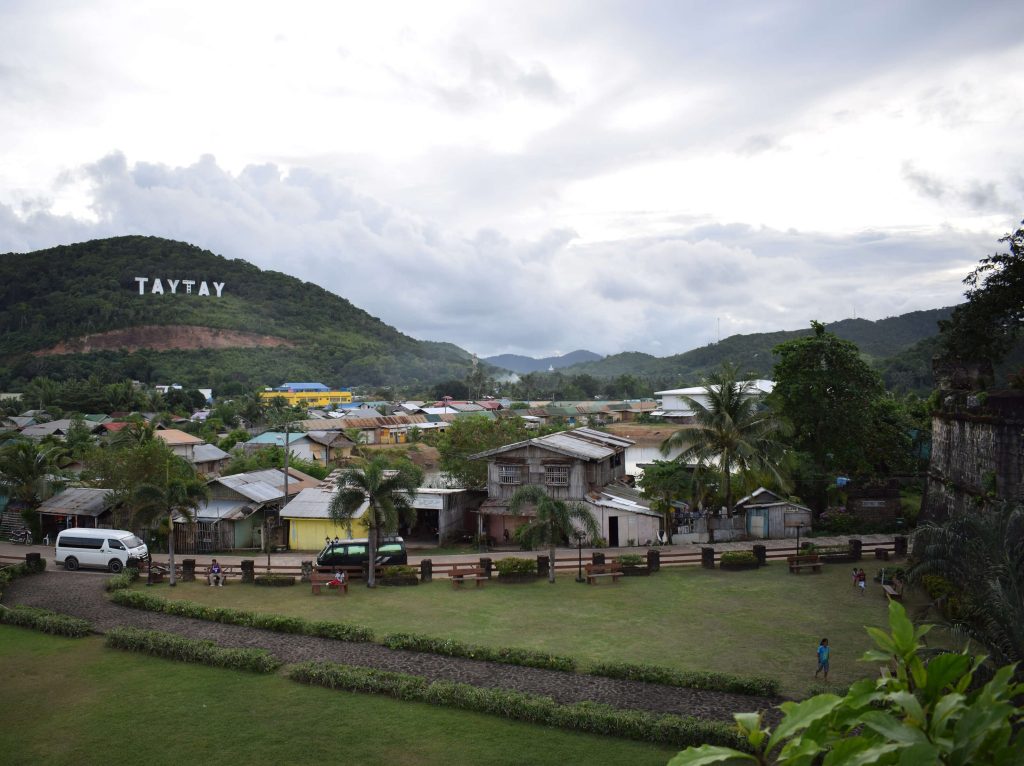
The trip took eight sweltering hours. For a reason unknown to you, you have to move from the big city to the backwaters of northern Palawan. You remembered that when you looked at whatever view the packed bus window afforded you, you saw only a patchwork of wild ferns and cliffs and rough roads that lacerated the mountains. You remembered the dust storms that formed in the wake of buses and jeepneys as they drove past your bus from the opposite direction. Your face, already sweaty from the heat, was now a fertile plot of land much like the frequent rice paddies that flanked the road on both sides. You remembered the orange soil, clumped in places like someone balled them up, threw them in the air and never gave a thought where they landed. Carabao grass covered these earth lumps, and coconut trees painted them with dappled afternoon light. It was a golden pastoral scene. But you were dizzy from the smell of gasoline. You had to sleep.
Your new hometown had sandy soil so the fall from the neighbor’s window didn’t hurt as much as you expected. Normally you would keep this incident to yourself, you didn’t want other people to get into trouble, but the shock from the fall got you running home and telling your mother. She was livid, but not at you. This surprised you. Shouldn’t you be the one to blame for climbing someone else’s window? It took two decades for you to understand that it was not okay for a neighbor to poke a kid with a stick while said kid was hanging onto the window to get a glimpse of the late afternoon cartoon that was not available on said kid’s household. It was a jerk move, especially if your neighbor was also your relative.
A month later, your living area had its own television set, with a towering cassette player on the side for good measure. In your adulthood, your mom will tell you that in order to buy those appliances, she had to take her first ever cash loan—the first of many in the life of a single parent raising two boys on a Police Officer 1 salary grade.
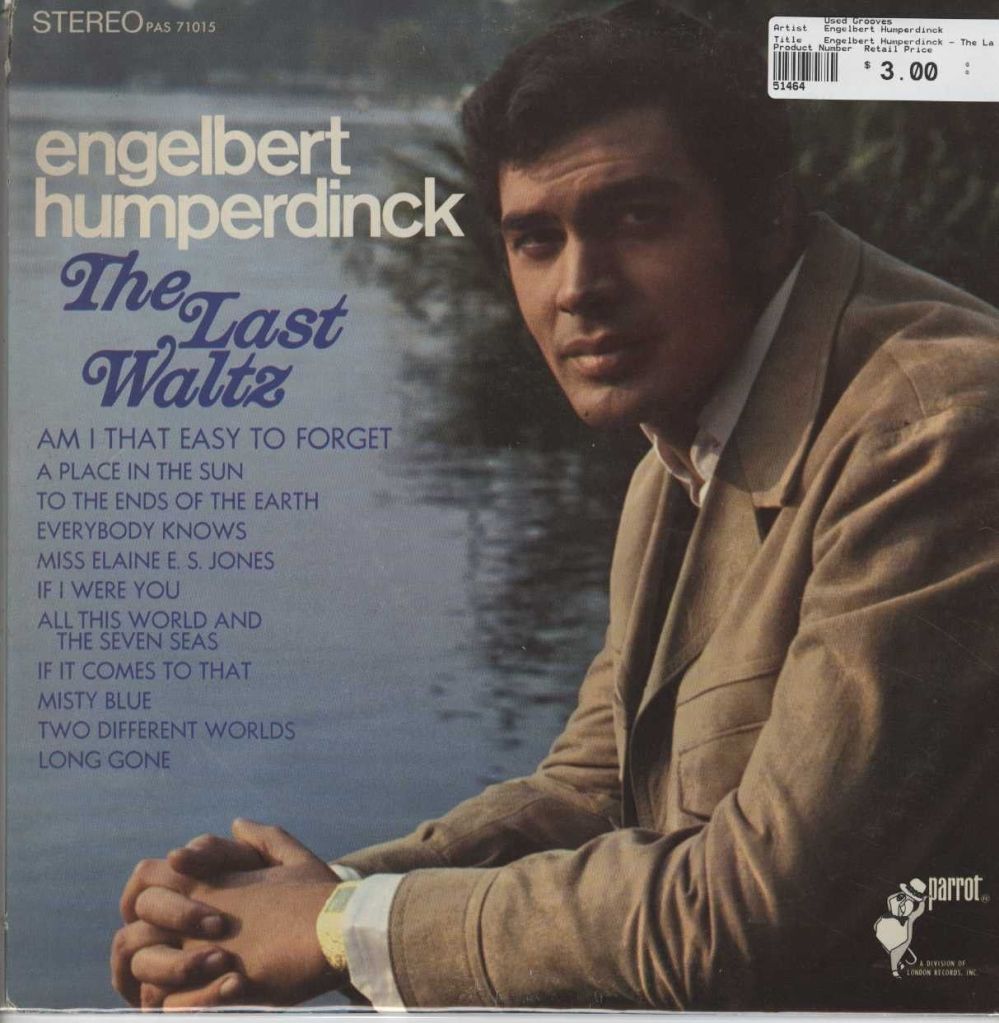
A velvet baritone voice came out of those appliances on the weekends, singing something about a last waltz with somebody. And since your town had no electricity from 6:00 AM to 6:00 PM, your mother had to sing that song to your little imp brother during siestas. It was always effective. This poison of a song latched onto you for years to come. It was melodramatic and it made you tear up whenever you heard it. The singer and the song remained unknown to you for years, until the time you decided to dig up the internet for a dose of nostalgia in trying times.
As you continue with your life, you will rarely go back to the province. It’s too far from where you finally grew your roots. It will be enough that when you hear Engelbert Humperdinck’s The Last Waltz, you are taken to a place of wild ferns and zigzag roads, of clumped earth balls and carabao grass, of poking sticks and jerk relatives, of golden afternoons and sandy soils. Well, most of the time.
 kibinibis